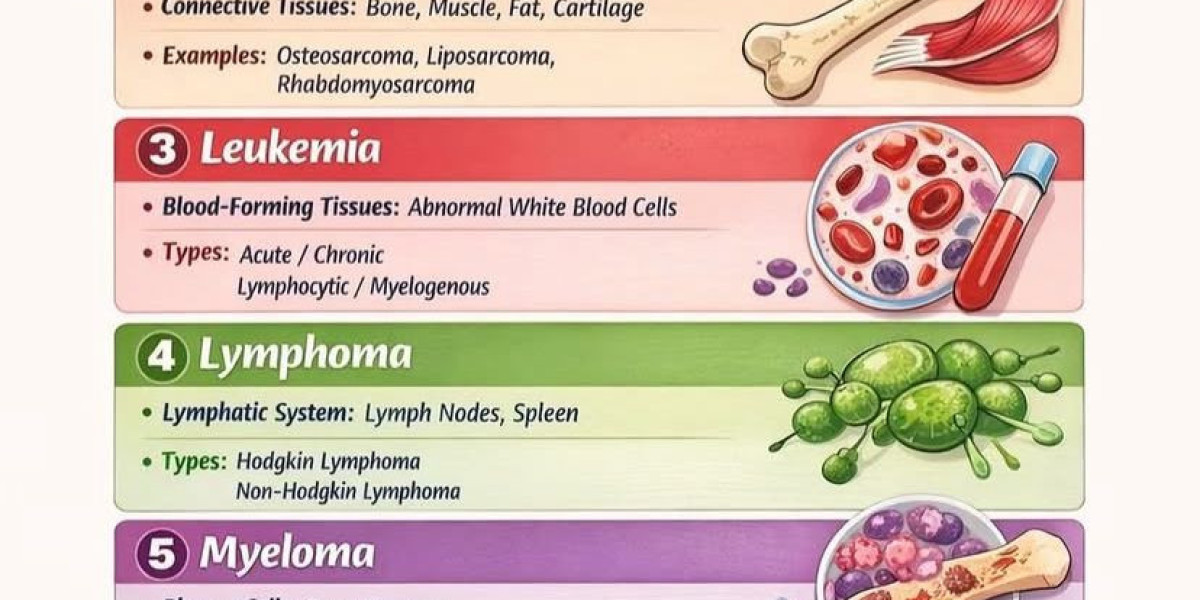

Breast cancer, prostate cancer, cervical cancer, and other forms of cancer are becoming increasingly common across Nigeria.
Breast and cervical cancer remain the most common cancers affecting Nigerian women.
Prostate and liver cancer are the leading cancers among Nigerian men.
Major risk factors include HPV, Hepatitis B, unhealthy diets, and delayed screening.
Preventive measures include HPV vaccination, PSA testing after age 40, and regular breast self-examinations.
Cancer is no longer considered a rare disease in Nigeria.
Today, more Nigerian families are battling breast cancer, prostate cancer, and several other forms of the illness than ever before.
From heartbreaking stories involving celebrities to painful experiences within families and communities, cancer has become a major public health challenge in the country.
According to the World Health Organisation (WHO), thousands of Nigerians receive cancer diagnoses every year. Sadly, stigma, fear, and late detection continue to worsen survival rates.
Understanding the cancers most affecting Nigerians — along with their warning signs — could save lives.
Why Cancer Cases Are Increasing in Nigeria
Several factors are driving the rise in cancer cases nationwide, including:
Delayed diagnosis and limited access to screening services
Smoking and excessive alcohol use
Poor diet and obesity
Infections such as HPV, Hepatitis B, and Hepatitis C
Environmental pollution and exposure to harmful chemicals
Ageing populations and changing lifestyles
Recent estimates from the Global Cancer Observatory (GLOBOCAN 2022) suggest that about 79,542 Nigerians die from cancer annually.
1. Breast Cancer
A Nigerian woman carrying out a breast self-examination at home.
A quick monthly self-check can help detect unusual lumps or changes early.
Breast cancer is currently the most diagnosed cancer among women in Nigeria, with cases increasingly appearing in women in their 20s and 30s.
The disease develops when breast cells grow uncontrollably. Although it mainly affects women, men can also develop breast cancer.
Symptoms to Watch For
It’s not always just a lump. Other warning signs include:
Skin dimpling resembling orange peel
Unusual nipple discharge
Changes in breast shape or size
Major Risk Factors
Family history of breast cancer
Obesity
Alcohol consumption
Hormonal factors
Physical inactivity
Increasing age
Early detection greatly improves survival chances. Women are encouraged to perform monthly self-examinations and schedule yearly mammograms after age 40.
2. Prostate Cancer
A Nigerian doctor discussing health concerns with a male patient in a clinic.
Men should never ignore urinary changes or unusual symptoms.
Prostate cancer is the most common cancer affecting Nigerian men, especially those over 50.
Nigeria is believed to have one of the world’s highest prostate cancer death rates. Since Black men are globally at higher risk, regular screening is extremely important.
The prostate is a gland located below the bladder. Cancer occurs when cells in the gland begin growing abnormally.
Early Symptoms
Difficulty urinating
Weak urine flow
Frequent urination at night
Many men wrongly dismiss these symptoms as normal ageing.
What Men Should Do
Men aged 40 and above should consider regular PSA (Prostate-Specific Antigen) blood tests to detect problems early.
3. Cervical Cancer
Cervical cancer is the second leading cause of cancer-related deaths among Nigerian women — despite being largely preventable.
The disease is mainly caused by the Human Papillomavirus (HPV), a very common infection.
Common Symptoms
Unusual vaginal bleeding
Bleeding after sex
Pelvic pain
Abnormal vaginal discharge
Pain during intercourse
Risk Factors
HPV infection
Multiple sexual partners
Smoking
Weak immune system
Lack of routine screening
Prevention Tips
Cervical cancer can often be prevented through:
HPV vaccination
Regular screening
Early treatment of abnormal cervical cell changes
Nigeria has added the HPV vaccine to its routine immunisation programme. Vaccinating girls between ages 9 and 14 is strongly recommended.
4. Liver Cancer
Liver cancer is highly aggressive and increasingly common in Nigeria due to widespread untreated Hepatitis B and C infections.
Nigeria accounts for a significant share of global Hepatitis B-related deaths.
Warning Signs
Swollen abdomen
Sudden weight loss
Yellowing of the skin and eyes (jaundice)
Loss of appetite
Persistent fatigue
Main Risk Factors
Hepatitis B and C infections
Heavy alcohol consumption
Liver cirrhosis
Exposure to aflatoxins from poorly stored grains and groundnuts
Many Nigerians are unknowingly living with Hepatitis B. Early testing and vaccination can significantly lower the risk.
5. Colorectal Cancer
A healthy Nigerian meal with vegetables, fibre-rich foods, and roasted potatoes.
Traditional high-fibre diets may help lower colorectal cancer risk.
Colorectal cancer affects the colon and rectum and is becoming more common due to changing eating habits and sedentary lifestyles.
As more Nigerians replace traditional high-fibre foods with processed fast foods, cases continue to rise.
Common Symptoms
Blood in stool
Ongoing constipation or diarrhoea
Abdominal pain
Unexplained weight loss
Fatigue
Risk Factors
Low-fibre diets
Processed foods
Smoking
Obesity
Family history of cancer
When detected early, colorectal cancer is often treatable. Unfortunately, many people seek medical help only after symptoms become severe.
Prevention
Eat more vegetables and fibre-rich local foods like Ogi and Acha
Reduce processed meat intake
Kidney Cancer
Although less common than breast or prostate cancer, kidney cancer is becoming more concerning in Nigeria.
It is strongly linked to rising rates of hypertension and obesity.
Warning Signs
Blood in urine
Persistent lower back or side pain that does not improve with rest
Cancer Symptoms Nigerians Should Never Ignore
While these symptoms may not always indicate cancer, they should never be ignored:
Unexplained weight loss
Constant fatigue
Blood in urine or stool
Lumps anywhere on the body
Persistent pain
Long-lasting cough
Unusual bleeding
Difficulty swallowing
Delaying medical attention can allow cancer to spread.
How Nigerians Can Lower Their Cancer Risk
Although not every cancer can be prevented, healthy habits can reduce risk significantly:
Avoid smoking
Limit alcohol intake
Exercise regularly
Maintain a healthy weight
Eat more fruits and vegetables
Get vaccinated against HPV and Hepatitis B
Go for regular health screenings
Seek medical care early
Is Cancer Always Fatal?
Not necessarily. In many cases, cancer can be successfully treated if detected early.
One of Nigeria’s biggest challenges is not just limited healthcare equipment but fear and delayed testing.
Moving from the mindset of “It won’t happen to me” to prioritising regular health checks could save countless lives.
Take Action Today
Perform regular self-checks
Pay attention to unusual symptoms
Visit a trusted hospital or laboratory for screening
Ensure children receive the HPV vaccine
Early detection can make all the difference.