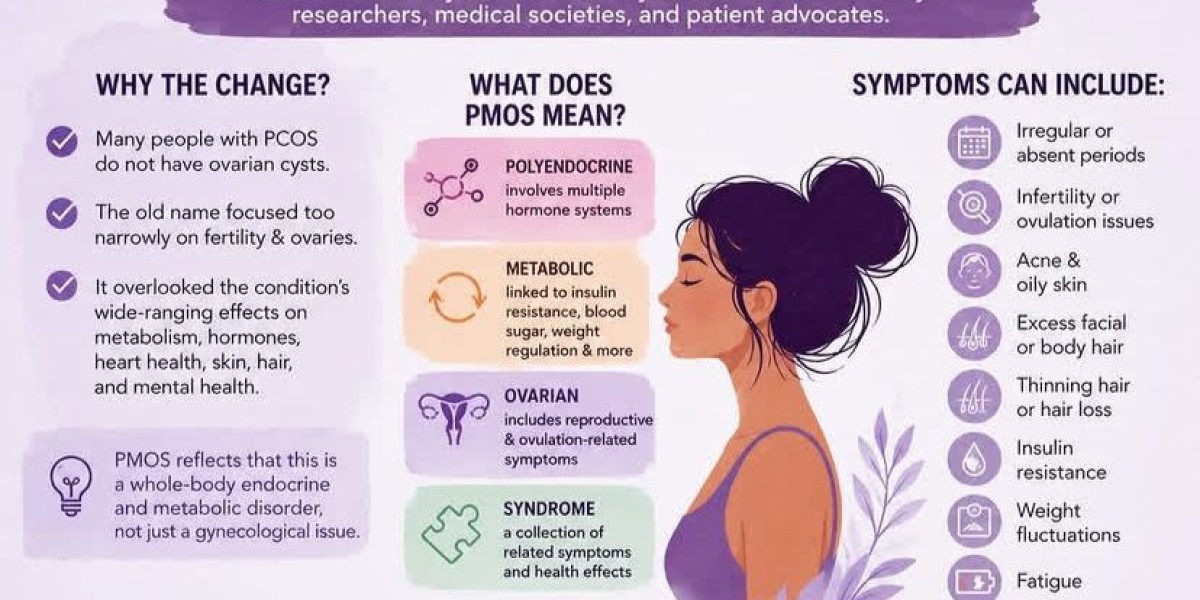

PCOS, a condition many women know as “Polycystic Ovary Syndrome,” has now been renamed PMOS, which stands for “Polyendocrine Metabolic Ovarian Syndrome.” Doctors and researchers made this change because the old name was confusing and didn’t fully explain what the condition really is.
The new name, PMOS, focuses more on the real problem behind the condition: hormone imbalance and metabolic issues, especially insulin resistance. This means the body struggles to control blood sugar properly, which can lead to weight gain, acne, excess facial hair, irregular periods, fertility problems, and even long-term health risks like diabetes and heart disease.
Doctors also want people to understand that PMOS is not only a reproductive condition. It can affect many parts of the body, including metabolism, skin, mood, weight, and overall health.
Common symptoms of PMOS include:
Irregular or missed periods
Difficulty getting pregnant
Weight gain or trouble losing weight
Acne and oily skin
Excess facial or body hair
Hair thinning
Fatigue
Mood swings
Dark patches on the skin
Ovarian follicles in some women
Treatment is also shifting away from simply using birth control pills to regulate periods. Experts now recommend focusing more on improving metabolism and insulin control.
Some key lifestyle changes include:
Eating more protein and fiber-rich foods to help balance blood sugar
Reducing highly processed carbohydrates and white flour foods
Doing strength training or muscle-building exercises instead of only intense cardio
Paying attention to early symptoms and seeking medical help sooner
Building muscle helps the body use insulin better, which can also reduce symptoms like acne and excess hair growth.
Experts believe the new PMOS name will help women better understand their condition and encourage earlier diagnosis and treatment. The transition from PCOS to PMOS is expected to happen gradually around the world over the next few years, so doctors may still use both names for some time.