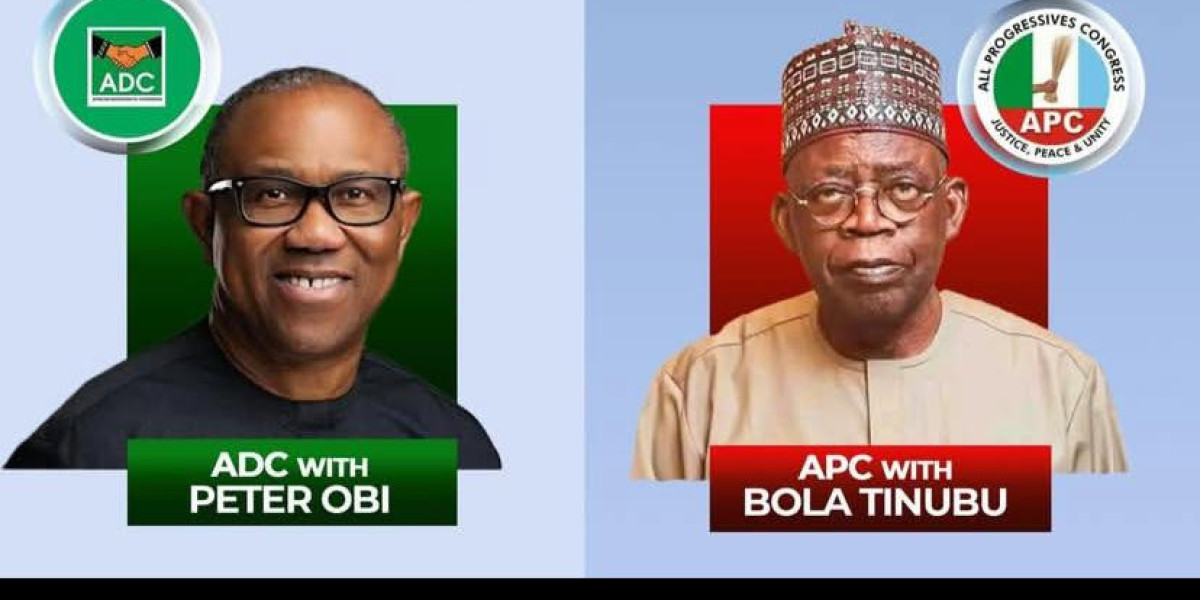

As Nigeria moves closer to the 2027 elections, a familiar mix of hope and uncertainty is beginning to surface. Each election cycle tends to spark optimism, as many citizens quietly wonder if a leader will finally emerge to transform the country’s trajectory.
Despite this, many Nigerians still hold onto the hope—perhaps more cautiously now—that someone will succeed where others have failed and bring about meaningful change.
However, history offers a sobering perspective. Time and again, election seasons filled with promises and enthusiasm have ended in disappointment. After each administration, the same frustrations resurface, largely because the belief that one individual can fix Nigeria is unrealistic.
Over time, the idea of a political “messiah” has become deeply ingrained in the national mindset. Many people expect a single leader to solve economic challenges, improve security, eliminate corruption, and restore national pride. In doing so, they often overlook the deeper, systemic issues that go beyond any one person’s control.
While leadership is important, it is not a cure-all. Nigeria’s challenges are rooted in long-standing structural, cultural, and generational factors. A president can introduce policies and appoint officials, but cannot directly influence every aspect of daily life across the country.
Real change, therefore, cannot come solely from the top—it must also grow from the grassroots.
Corruption, for instance, is often discussed as a problem of those in power, but it is also embedded in everyday behaviour. Acts like bypassing queues, using fake documents, engaging in exam malpractice, or ignoring rules have become normalised in society.
These small, everyday actions contribute to a culture where dishonesty is tolerated, and shortcuts are rewarded. When such behaviours are widely accepted, they shape attitudes and weaken the moral authority of citizens to hold leaders accountable.
After all, it becomes difficult to criticise large-scale corruption when smaller forms of it are part of daily life. Politicians, in many ways, reflect the same environment they come from, rather than existing outside of it.
Religion also plays a significant role in shaping societal values. Although Nigeria is highly religious, there is often a disconnect between professed beliefs and actual behaviour. While people pray for peace and prosperity, divisions, injustice, and lack of accountability persist.
Many religious institutions emphasise personal success but do not always address civic responsibility or ethical conduct in public life. This raises questions about the kind of values being reinforced within society.
Similarly, parenting and education systems play a critical role. When children grow up seeing dishonesty rewarded or integrity dismissed, they are more likely to adopt those same behaviours. If schools prioritise certificates over character development, it becomes harder to nurture responsible and ethical future leaders.
Beyond Voting
While voting in 2027 remains important, it is only one part of a much larger picture. Citizens must go beyond the ballot box by critically evaluating candidates, staying informed, and remaining actively engaged in governance.
If participation ends after casting votes, then the deeper issues remain unaddressed. A nation is shaped not only by its leaders but also by its shared values, systems, and everyday practices.
This does not excuse poor leadership. Those in power must still be held accountable for their actions. However, citizens must also take responsibility for their role in nation-building.
The belief in a political saviour can be misleading and even harmful. When leaders inevitably fall short of unrealistic expectations, it often leads to renewed frustration and disengagement, repeating the same cycle.
Meaningful transformation requires both effective leadership and a collective shift in mindset and behaviour.
The Path to Real Change
True change is often subtle and gradual. It begins in everyday spaces—homes, schools, workplaces, religious institutions, and communities. It is reflected in how people act when no one is watching and in the values they choose to uphold.
Ultimately, no single individual will come to “rescue” Nigeria. While strong and visionary leadership is necessary, lasting progress depends on building a society of citizens who are willing to act with integrity, think independently, and do the right thing—even when it is difficult.Nigeria’s future will not be shaped by one person alone, but by the collective actions of its people.