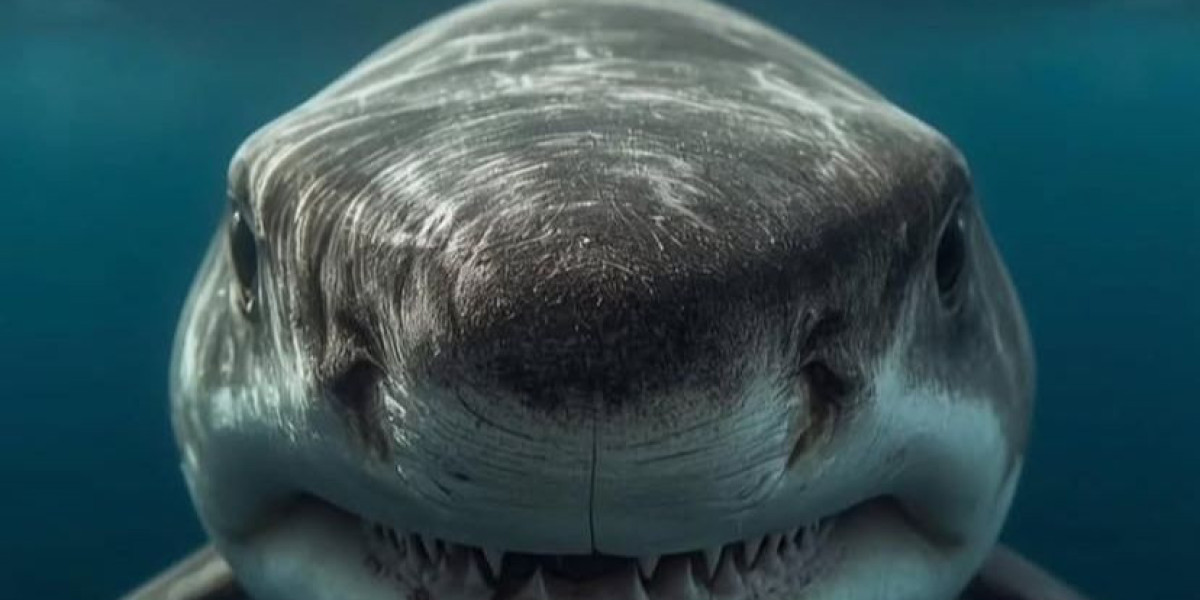

In the Bahamas, scientists discovered that 28 out of 58 sharks tested had traces of substances like cocaine and caffeine in their bodies.
At first, the idea of “cocaine sharks” sounded like something out of a wild movie and even seemed amusing. However, the reality is much less entertaining and far more troubling.
Researchers studying sharks near Eleuthera Island—a well-known tourist destination—found that many of them were exposed to human-related drugs due to polluted waters. Roughly one-third of the sharks tested showed traces of these substances.
Caffeine turned out to be the most commonly detected compound, appearing in nearly every affected shark. Other substances identified included cocaine, paracetamol, and anti-inflammatory medications.
This type of contamination isn’t entirely new. For example, a 2024 study in Brazil also detected cocaine in all sampled sharks, likely linked to sewage pollution.
Scientists believe these drugs enter the ocean through several sources, such as untreated or poorly managed sewage systems, waste from boats and tourism activities, human bodily waste, pharmaceutical runoff, and even possible drug trafficking spills. Essentially, chemicals that humans discard eventually make their way into marine ecosystems, where they are absorbed by sea life.
Despite the alarming findings, there is no evidence that these sharks are acting aggressively or abnormally. Observations showed no unusual behavior, such as erratic movement or increased attacks.
However, the presence of these substances is not harmless. Researchers noted changes in the sharks’ blood chemistry, along with signs of stress and higher energy use. This indicates that, even if the effects aren’t immediately visible, the drugs are still impacting their health.