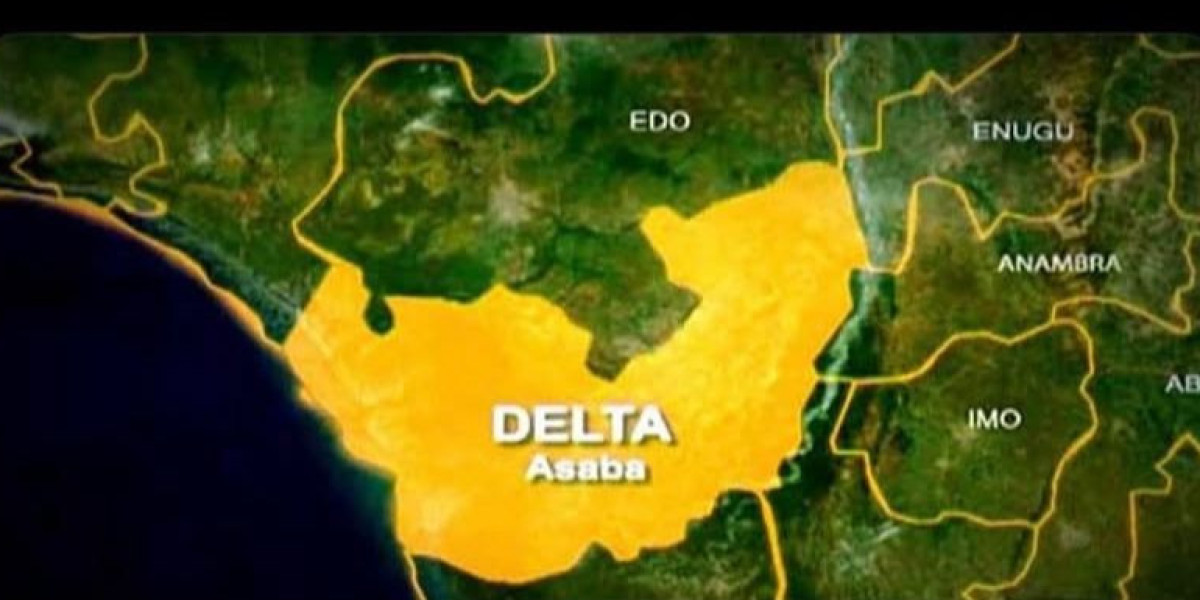

Support for the proposed Anioma State has recently gained significant political backing, with Senate President Godswill Akpabio publicly endorsing the idea. Speaking in Asaba during the APC South-South zonal congress, he confirmed that Asaba would serve as the capital of the new state and suggested that Delta State would be restructured if the plan is approved.
He explained that Warri could become the capital of the remaining Delta State, citing its strong infrastructure, including an airport, seaport, government institutions, oil industry presence, and a stadium.
“Anioma State will be created, with Asaba as its capital,” Akpabio stated, adding that Warri would then take over as capital of the reconfigured Delta State.
The proposal is being led by Ned Nwoko, who represents Delta North and has long advocated for a separate Anioma State, arguing that the region deserves its own administrative identity. He recently described the creation of Anioma as a meaningful gesture that Bola Ahmed Tinubu could offer to the Igbo people—an opinion that has generated mixed reactions across the country.
While Akpabio emphasized governance benefits—such as improved administration and bringing development closer to the people—he also noted that the proposal is a priority for the 10th Senate, indicating strong legislative interest.
However, the plan has sparked debate, particularly over whether Anioma should belong to the South-East or remain in the South-South region. Although some supporters point to cultural ties with the South-East, leaders in Delta North have firmly rejected this, insisting the new state must stay within the South-South due to historical and cultural affiliations.
Despite these disagreements, local lawmakers and government officials have pledged to continue pushing for the state’s creation, regardless of regional classification.
For now, the idea of Anioma State remains under consideration, but it is gaining increasing attention, political support, and national debate.