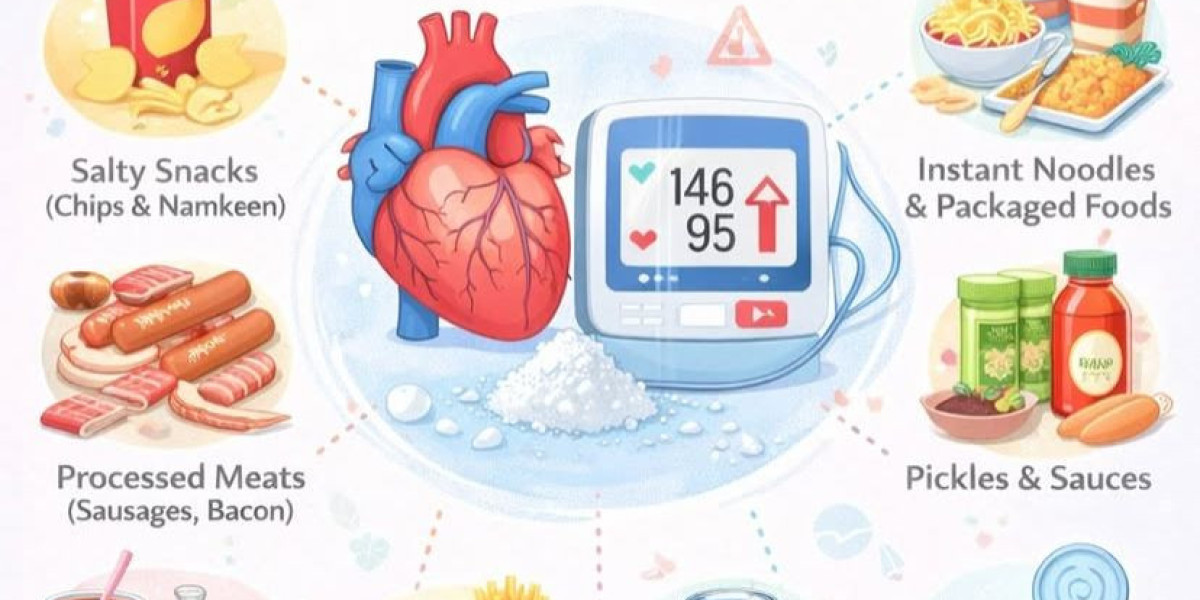

A simple meal like noodles and sausages may feel comforting and convenient, but the high sodium content can gradually push your blood pressure to unsafe levels.
Could some of your favourite Nigerian dishes be harming your health without you realizing? From instant noodles to seasoning cubes, several everyday foods may be contributing to rising blood pressure. The good news is you can still enjoy them by making healthier adjustments.
Hypertension often shows no obvious signs, which is why it’s known as a “silent killer.” Despite the lack of symptoms, it significantly raises the risk of heart disease, stroke, and kidney problems in Nigeria.
Diet plays a major role in this issue.
This isn’t about eliminating foods entirely, but about being mindful. Many modern versions of everyday Nigerian meals contain high amounts of salt, unhealthy fats, and preservatives, which can build up over time.
Here are seven common foods and ingredients that may be contributing to high blood pressure:
Stock cubes and seasoning powders
These are widely used in Nigerian cooking, but they contain very high levels of sodium. Just one cube can have over 1,000mg, and multiple cubes in a single pot quickly exceed daily limits. Excess sodium causes the body to retain water, increasing blood pressure.
Healthier approach: Use fewer cubes, and enhance flavor with natural ingredients like locust beans, crayfish, garlic, ginger, onions, and spices.
Instant noodles
While affordable and convenient, the seasoning packets are packed with sodium, MSG, and artificial flavorings. One serving can provide most of your daily salt intake, and the noodles themselves often contain unhealthy fats.
Better option: Use less seasoning, add vegetables, and include fresh ingredients for flavor.
Processed meats (sausages, hot dogs, corned beef)
These are preserved with salt and chemicals, making them high in sodium. Regular consumption can increase blood pressure risks.
Alternative: Eat them occasionally and opt more for fresh protein sources like fish, eggs, or chicken.
Suya (especially the yaji spice mix)
The spice mix used in suya contains a lot of salt and sometimes MSG, which adds to its strong taste but also increases sodium intake.
Tip: Eat in moderation, request less spice, or prepare a lower-salt version at home.
Deep-fried foods (puff puff, fried plantain, akara)
These foods are often cooked in reused oil, producing unhealthy fats that contribute to weight gain and heart problems. Added salt further increases the risk.
Healthier choice: Reduce intake, and try baking or air-frying instead.
Salty snacks (plantain chips, chin chin, salted groundnuts)
These are easy to overeat without noticing the salt content. Even small portions can add up quickly.
Better snacks: Choose unsalted nuts, fresh fruits, or check labels for lower-sodium options.
Canned foods in brine (sardines, mackerel)
Although nutritious, canned fish preserved in salt water contains high sodium levels.
What to do: Rinse before eating or choose options stored in oil or fresh water.
The bigger picture
High blood pressure is becoming more common in Nigeria, affecting millions, including younger adults. Aside from diet, factors like stress, inactivity, weight gain, and genetics also play a role.
Because symptoms are often absent, regular health checks are important.
The aim isn’t to stop enjoying Nigerian meals, but to create balance. Reducing salt, choosing fresher ingredients, and making small changes in cooking habits can go a long way in protecting your heart over time.