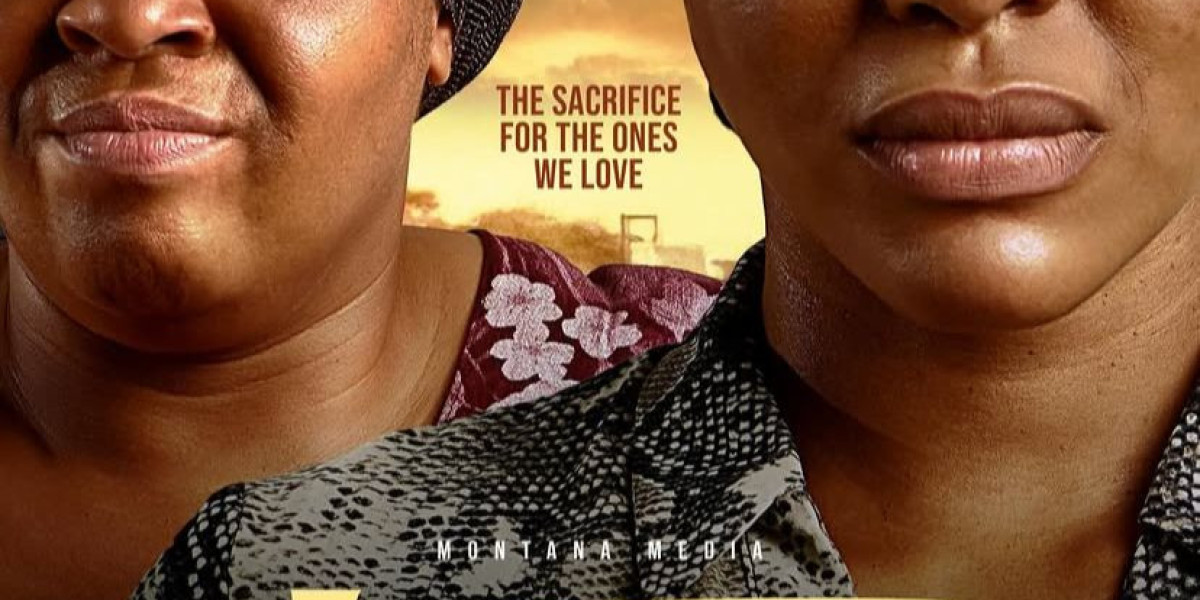

The YouTube movie paints a vivid picture of what many firstborn daughters in African families go through—constant responsibility, emotional strain, and personal sacrifice. It follows Monica, a young woman who shoulders the weight of her family’s needs, from helping with her mother’s business to caring for her siblings, all while trying to build a future for herself.
At first, her sacrifices seem admirable. She gives up her time, comfort, and ambitions so others can thrive. But as the story unfolds, that sense of duty gradually shifts into something darker—pressure, exploitation, and emotional manipulation, especially from within her own home.
A key idea from the film is that home, which should offer safety, can sometimes be the source of harm. The emotional weight intensifies as Monica not only faces her mother’s treatment but also experiences betrayal from the very siblings she sacrificed for.
While the film has its flaws—like a somewhat unclear timeline and a consistently heavy tone—it still resonates deeply. Many viewers may wish Monica would rebel or choose herself, but the reality is that not everyone in her position gets that chance.
Despite imperfections, Monica has struck a chord, amassing millions of views online and sparking widespread discussion about family expectations, self-sacrifice, and the hidden costs of being the firstborn daughter.
Ultimately, the film serves as a reflection of a reality many people recognize but rarely discuss: the fine line between responsibility and losing oneself.